
.png)

Choosing an Elementary School Motivational Speaker
- Jul 8
- 6 min read
The room changes when children feel seen. A great elementary school motivational speaker does more than hold a microphone and tell kids to do their best. They create a moment students can feel - one where kindness sounds exciting, confidence feels possible, and good character becomes something children want to practice long after the assembly ends.
For principals, counselors, teachers, librarians, and parent groups, that difference matters. Not every school speaker is the right fit for younger students. Elementary-aged children need warmth, movement, imagination, and clear messages they can carry back into the classroom, the cafeteria, the playground, and home. When the experience is done well, it can support school culture in a way that feels joyful rather than forced.
What an elementary school motivational speaker should actually do
At the elementary level, motivation has to be translated into a child-sized language. Young students usually do not respond to abstract lectures about success, personal branding, or high-pressure achievement. They respond to stories, examples, music, humor, repetition, and genuine encouragement.
That means the best speakers for this age group focus less on performance and more on connection. They help children understand simple but powerful ideas like being brave enough to try, treating others with kindness, using respectful words, working together, and believing they can grow. These ideas may sound basic to adults, but for children they are daily building blocks.
A strong speaker also understands the emotional range in one elementary audience. In the same room, there may be a confident fifth grader, a shy first grader, a child who is struggling socially, and another who is carrying stress from home. A good message has to reach all of them without sounding too babyish for older students or too complicated for younger ones.
Why the right elementary school motivational speaker matters
Schools are not simply looking for entertainment. They are looking for support. A meaningful school assembly can reinforce the values educators teach every day, especially when the message connects to character education, social-emotional learning, literacy, leadership, or anti-bullying goals.
The right speaker can give students shared language. After a powerful visit, teachers often find it easier to say, "Remember what we learned about courage," or "How can we show teamwork here?" That shared memory helps ideas stick. Instead of one more one-time event, the visit becomes a reference point.
There is also a trust factor. Families and school leaders want presenters who understand children and respect the school environment. That means age-appropriate language, positive examples, and a delivery style that keeps students engaged without relying on sarcasm, fear, or overstimulation.
Signs a speaker is a good fit for younger students
The best elementary presenters know that attention is earned minute by minute. They use pacing, voice, audience participation, and visual imagination to keep children involved. They do not talk at students for 45 minutes and hope for the best.
Storytelling is often one of the strongest tools. Children remember lessons better when they are wrapped inside characters, challenges, and hopeful outcomes. A story gives students something to picture. It also lowers resistance. Instead of feeling corrected or lectured, children feel invited.
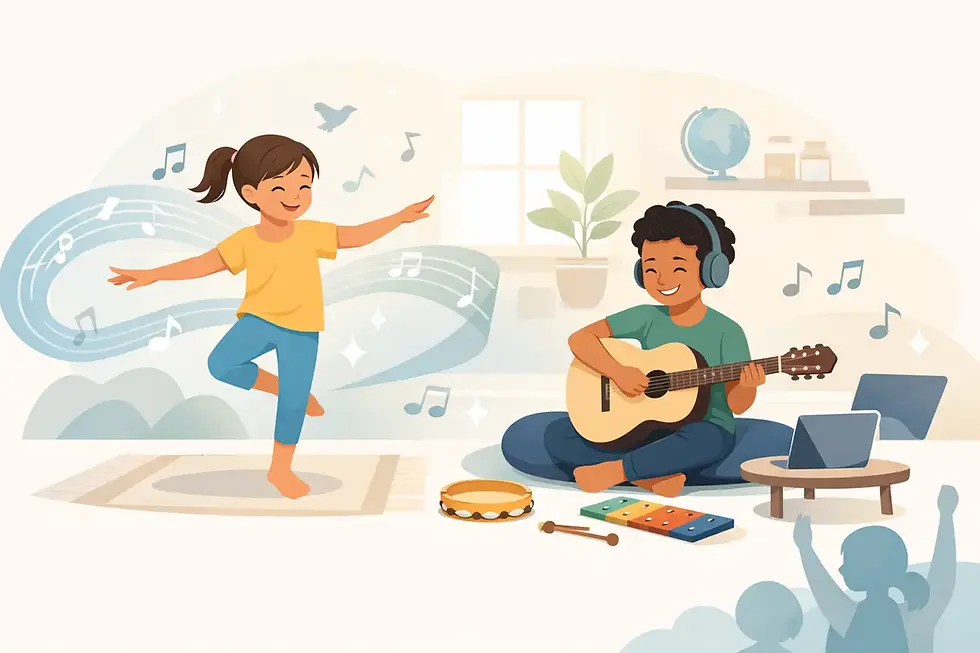
Music and rhythm can help too, especially with preschool and early elementary audiences. A short song, repeated phrase, or call-and-response moment can make a message more memorable. That does not mean every speaker needs to be a musician, but it does mean the program should feel interactive rather than static.
An elementary school motivational speaker should also leave space for joy. Children learn deeply when they feel safe, included, and encouraged. A warm, upbeat tone usually works better than a dramatic, high-intensity style borrowed from corporate events or older student assemblies.
Questions schools should ask before booking
Choosing a school speaker is partly about values and partly about logistics. Both matter. A beautiful message can lose its impact if the speaker does not understand timing, grade-level differences, or how to manage a room full of active children.
It helps to ask what age groups the program is designed for and whether it can be adjusted for K-2 and grades 3-5. Those are very different audiences. Kindergarten students need simple language, physical engagement, and short transitions. Older elementary students can handle more reflection, but they still need energy and clarity.
Schools should also ask what themes the speaker covers. The strongest topics for elementary settings often include kindness, confidence, gratitude, friendship, leadership, perseverance, creativity, and teamwork. If a campus has a specific focus, such as bullying prevention or positive behavior, the program should support that goal naturally.
Another wise question is how the speaker involves students. Do children repeat key phrases, answer questions, move, sing, imagine, or participate on stage? Engagement is not just a nice bonus. It is often the reason the message lasts.
Finally, ask what happens after the event. Some speakers provide take-home ideas, classroom connections, or simple ways teachers can continue the message. That follow-through can make a good assembly much more valuable.
The trade-off between big energy and real substance
It is easy to assume that louder means better. In reality, elementary audiences need a balance. Big energy can help capture attention, but if the message is too fast, too flashy, or too packed with noise, children may remember the excitement and forget the lesson.
On the other hand, substance without warmth can fall flat. A speaker may have wonderful intentions, but if the presentation feels stiff or overly instructional, younger students can disconnect quickly.
The sweet spot is a program that is lively, clear, and heart-centered. Children should leave feeling uplifted, not overwhelmed. Teachers should feel the experience supported their work, not interrupted it. Administrators should feel confident that the message matched the values of their school community.
Story-driven programs often work especially well
For elementary students, stories create emotional understanding. A child may not remember a definition of perseverance, but they will remember a character who kept trying after making mistakes. They may not fully grasp the concept of leadership, but they will understand a story about someone choosing to help, include, and encourage others.
That is one reason character-based educational experiences can be so effective. When children connect with a trusted mentor figure or a memorable fictional world, they often become more open to learning. The message feels friendly. It feels safe. It feels like something they can step into.
In a brand like Squirrelsville, for example, storytelling, music, and encouragement work together to help children absorb values in a playful and meaningful way. That kind of approach fits elementary environments because it honors how young children learn best - through imagination, repetition, and positive emotional connection.
What parents and educators hope children carry with them
The goal is rarely just one good morning in the cafeteria or gym. Adults want children to carry something forward. Maybe it is the courage to raise a hand in class. Maybe it is the reminder to include someone at recess. Maybe it is a new belief that being kind is not weak, and that trying again after a mistake is something to be proud of.
These outcomes may sound small, but in elementary school they are not small at all. They shape classroom climate, peer relationships, and a child’s sense of identity. A speaker who understands this will never treat the event as filler on the school calendar. They will treat it as an opportunity to plant something worthwhile.
That is also why authenticity matters so much. Children can sense when an adult truly cares about them. They may not say it that way, but they feel the difference. A genuine speaker brings more than polished delivery. They bring presence, respect, and belief in the potential of every child in the room.
Choosing with your school community in mind
Every school has its own personality. Some communities want a high-energy pep-rally feel. Others want a calm, values-based experience tied closely to literacy or character education. Neither approach is automatically wrong. It depends on your students, your goals, and the kind of culture you are trying to build.
The best choice is usually the speaker whose style matches your students rather than the one with the flashiest pitch. Look for someone who understands childhood, not just public speaking. Look for someone who can inspire without talking over children, entertain without losing the message, and encourage without making students feel pressured.
When an elementary school motivational speaker brings joy, purpose, and heart into the room, the impact can reach further than one event. A child may remember a line, a song, a story, or a simple moment of encouragement for years. Sometimes that is how growth begins - not with a grand speech, but with one caring message delivered at just the right time.


Comments