
.png)

Why Children's Author School Visits Matter
- Jul 7
- 6 min read
A great school assembly can make children clap, laugh, and cheer. A great children's author school visit can do something even better - it can help a child see books as living, joyful, and personal. That shift matters. When students meet the person behind a story, reading stops feeling like a task and starts feeling like a doorway.
For elementary schools, libraries, and homeschool groups, that doorway can open into far more than literacy. It can lead to stronger confidence, richer imagination, better listening, and heartfelt conversations about kindness, teamwork, and courage. The best visits do not simply promote a book. They create an experience children remember long after the chairs are stacked and the assembly ends.
What makes children's author school visits so effective
Children are naturally curious about how stories begin. They want to know where characters come from, how books are made, and whether authors ever get stuck. When an author answers those questions in person, the creative process becomes real. Students begin to understand that books are made by people who imagine, practice, revise, and keep going.
That lesson has quiet power. It tells children that creativity is not magic reserved for a few special people. It is something they can try too. A student who struggles with reading may suddenly connect through humor, music, drawing, or storytelling. A student who already loves books may feel newly inspired to write one of their own.
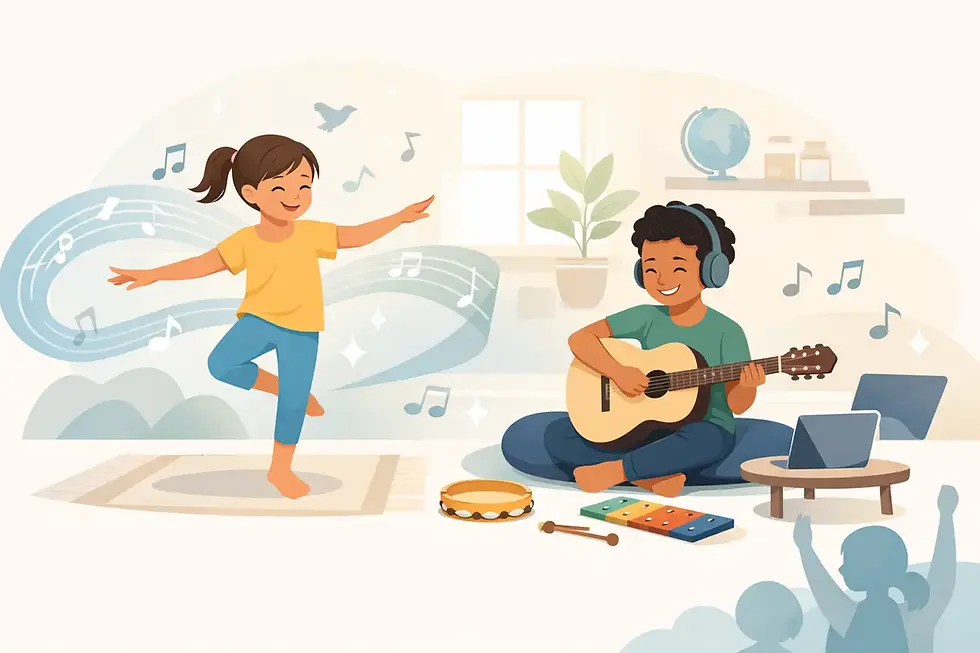
This is one reason school visits work so well in early childhood and elementary settings. Young learners respond to voice, expression, rhythm, and interaction. They remember how a story made them feel. When an author visit includes read-aloud moments, movement, songs, simple audience participation, or a character-centered message, children engage with the story using their whole attention.
That kind of engagement also supports educators. Teachers work hard to build a reading culture, but even the strongest classroom routines benefit from a fresh spark. An author visit can give students a reason to revisit the library shelf, try a writing activity, or talk more openly about values and emotions through story.
Children's author school visits are more than literacy events
It is easy to think of author visits as a reading reward or a special add-on for literacy week. They can certainly serve that role, but their value is often bigger than that.
A well-designed visit can support social-emotional learning in ways that feel natural rather than forced. If a story explores gratitude, friendship, bravery, leadership, or perseverance, children are not just hearing a lesson. They are watching it play out through characters they care about. That creates emotional connection, and emotional connection helps ideas stick.
This is especially helpful for younger students, who often learn best through story, repetition, and shared experience. They may not remember every detail of a formal lesson on kindness, but they will remember a funny squirrel who learned to help a friend, or a song that reminded them to believe in themselves.
For schools, that means an author visit can support multiple goals at once. It can energize reading, strengthen character education, encourage creativity, and bring students together in a positive shared moment. That is a rare combination.
What schools and libraries should look for in an author visit
Not every presentation fits every age group, and that is where thoughtful planning makes a difference. The strongest children's author school visits are age-aware, interactive, and clear about their purpose.
For preschool and early elementary audiences, attention spans are shorter and energy is high. Presentations usually work best when they include expressive storytelling, visual elements, music or rhythm, and a message children can grasp right away. Long explanations about publishing or writing technique may interest adults, but young children need movement, warmth, and simple takeaways.
For older elementary students, there is often room for more behind-the-scenes discussion. They may enjoy learning how an idea becomes a book, how illustrations support storytelling, or how revision improves a first draft. Even then, connection still matters more than information alone. Children remember the feeling of being invited into the process.
Schools should also consider whether they want the event to be primarily entertaining, educational, or values-based. Often the most memorable visits blend all three. A joyful presentation gets children listening. A meaningful message gives the experience purpose. A practical classroom tie-in helps teachers extend the momentum afterward.
That last piece is easy to overlook. A single visit can have more lasting value when teachers receive simple follow-up ideas such as a writing prompt, character discussion, gratitude activity, or drawing extension. The event may last an hour, but the effect can continue through the week.
Why the format of the visit matters
The phrase children's author school visits covers a wide range of experiences. Some are large-group assemblies. Others are classroom sessions, library programs, family literacy nights, or virtual events. The best format depends on the setting, the age of the children, and what the school hopes to accomplish.
Assemblies can create excitement and build a shared school memory. They work well when the author has a strong stage presence and a presentation style that keeps a large audience engaged. Classroom visits allow for more conversation and smaller interactive moments. Those can be especially meaningful for writing workshops or question-and-answer sessions.
Virtual visits remain useful too, particularly for schools with limited travel budgets or scheduling constraints. They may not fully replace in-person energy, but they can still be warm, interactive, and worthwhile when designed well. What matters most is not whether the author is on a stage or a screen. It is whether the children feel seen, included, and inspired.
The real benefits children carry home
Adults sometimes measure success by turnout, book sales, or whether the assembly ran on time. Those things matter, but children often carry home something less visible and more lasting.
They carry home the memory of laughing during a story. They carry home the realization that a book came from someone's imagination. They carry home a new phrase about courage, gratitude, or trying again. Some will head to the library the next day looking for similar books. Some will fold paper and staple together their own little stories. Some will simply begin to think, maybe I can create something too.
That small spark should not be underestimated. Confidence in reading and writing often grows through repeated moments of personal connection. One author visit will not solve every literacy challenge, and it should not be expected to. But it can become a meaningful part of a bigger culture of encouragement.
For families, these visits can also create a bridge between school and home. When children come home excited about a character, a song, or a lesson from the event, parents gain a natural opening to talk about books and values together. That kind of continuity helps learning feel warm and shared rather than boxed into the school day.
Making school visits feel meaningful, not just busy
There is always a temptation to fill school calendars with programs that sound good on paper. The better question is whether an event serves the children in front of you.
A meaningful visit respects their developmental stage, invites active participation, and leaves them with something hopeful. It does not talk down to them. It does not rely on noise alone. It uses story to connect learning with heart.
That is why many educators and family-centered organizations are drawn to author experiences that combine storytelling with music, character lessons, and encouragement. For younger audiences in particular, that blend can be powerful. It reaches the child who loves to listen, the child who needs to move, and the child who is still building the confidence to speak up. In a world like Squirrelsville, where stories and songs work together to teach kindness, creativity, teamwork, and confidence, that kind of visit feels especially natural.
When schools choose children's author school visits with care, they are not simply booking entertainment. They are investing in a moment that can help children feel more connected to reading, more open to learning, and more confident in their own ideas.
And sometimes that is how a lifelong reader begins - not with a test score or a worksheet, but with one warm, joyful moment when a child realizes that stories are meant for them too.


Comments